
Blog · Nov 11, 2026 · 11 min read
Beyond “Thank You for Your Service:” Supporting the Mental Health of Our Military Communities
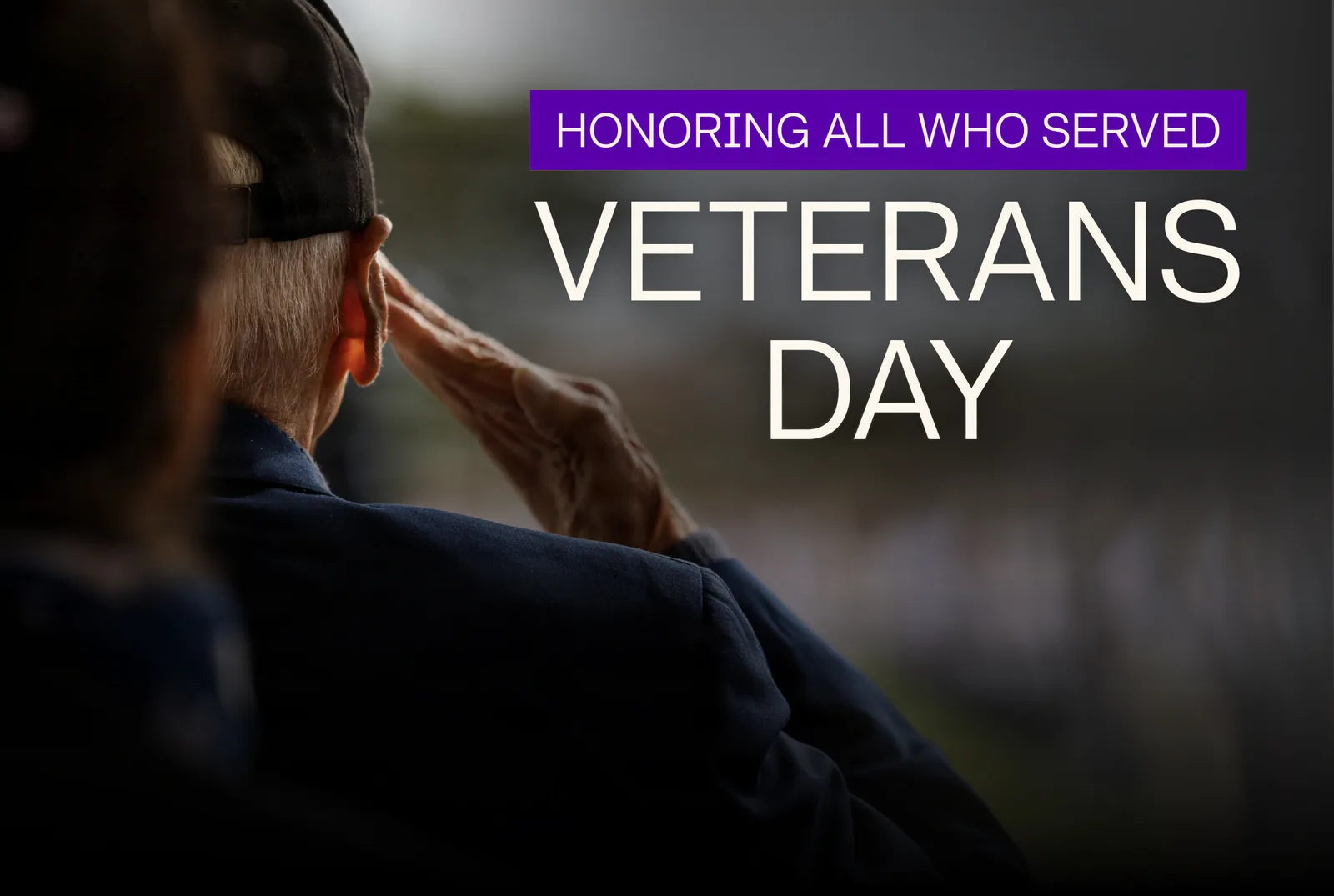
This Veterans Day, two retired Army leaders share their perspectives on the challenges facing service members, veterans, and military families and why meaningful support must extend beyond expressions of gratitude.
Every Veterans Day, Americans recognize the courage and sacrifice of those who have served our country. It's an opportunity for us all to express gratitude for their service, and it’s equally important to reflect on our responsibility to support them long after they take off the uniform.
Military service places sometimes unfathomable demands on service members and their families, from repeated deployments and extended separations to advanced opportunities in other parts of the world to the transition and adjustment back to civilian life, every military experience is uniquely challenging. The emotional impact often extends beyond what the public sees or understands. Still, veterans carry forward extraordinary leadership, adaptability, and a deep commitment to serve their communities and contribute to civilian life.
Post-traumatic stress disorder (PTSD) often dominates conversations about military mental health. However, the picture is much more complicated. Everyday stress, a shifting sense of identity, and the loss of close-knit connection can weigh on veterans, while a new sense of purpose and belonging, along with the resilience developed through service, can protect their well-being.
In honor of Veterans Day, we spoke with Lieutenant Colonel (Ret.) Chris Manglicmot and Colonel (Ret.) Adam Rocke of Counslr's American Heroes division to discuss the experiences of military communities, the barriers that can make support harder to access, and what society can do to better serve those who have served us. Drawing on decades of military leadership and their continued commitment to veteran advocacy, they offer candid insights into why mental health support matters—and why making it more accessible can change lives for the better.
A Commitment That Continues Beyond Military Service
Q: What experiences shaped your commitment to supporting the mental health and well-being of service members, veterans, and their families?
Colonel (Ret.) Adam Rocke: After serving more than 30 years in the Army, leading soldiers in peacetime and combat, I learned that mental health and well-being are just as important to the readiness of our force as physical fitness, training, and equipment.
You can have the best-trained and best-equipped soldiers in the world, but if we're not taking care of our people, we're falling short as leaders.
I've seen firsthand the toll that repeated deployments, combat, separation from family, and transitioning back to civilian life can take. And I've seen too many people struggle in silence because they don't know where to turn or believe they have to work through things on their own.
That’s what drove me to become involved with organizations like PsychArmor, Home Builders Institute, the Association of the United States Army, and Troops First Foundation, including its Warrior Call initiative.
I spent my military career taking care of soldiers. Just because I've taken off the uniform doesn't mean that responsibility ends.
Lieutenant Colonel (Ret.) Chris Manglicmot: Midway through my Army career I attended Georgetown. There I began to see the scale of challenges facing veterans, including homelessness, unemployment, and lack of access to healthcare.
Later, working in the Chairman of the Joint Chiefs' Warrior and Family Support office, I saw how many veterans leaving service after Iraq and Afghanistan were struggling. These were people who had given everything. Too many were falling through gaps in the support systems designed to help them.
During my time in battalion command, we experienced devastating losses to suicide. Even in close-knit military formations, people carry burdens that others cannot see.
After retiring from the Army, I helped scale a behavioral health organization, expanding access to care and strengthening clinical operations. Effective clinical care matters, but it can only help those who are able and willing to access it. A significant portion of people who need support never reach a clinic.
That's what drew me to Counslr. It meets people where they are, before they ever reach a clinic.
Invisible Challenges
Q: When people think about military mental health, PTSD often comes to mind. Are there additional everyday struggles that deserve as much attention?
Lieutenant Colonel (Ret.) Chris Manglicmot: PTSD is the label we tend to reach for, but the challenges are much broader. The core everyday struggles are stress, identity, and belonging.
The transition from military to civilian life can bring stress, especially when civilian employers don't recognize the value veterans bring. Service can create a powerful sense of identity and purpose, and leaving the military may mean redefining those roles. Some veterans miss the close-knit teamwork and camaraderie of military life; others build new connections and find a strong sense of belonging in their next chapter. No two transitions are the same.
It's also important to recognize that trauma isn’t always the result of combat. Even basic training can be incredibly stressful for someone entering an entirely unfamiliar environment.
Q: You said that military service creates a powerful sense of identity, purpose, and camaraderie. What happens when service members transition back to civilian life?
Colonel (Ret.) Adam Rocke: There is no greater fraternity, no stronger sense of brotherhood, than what you experience in military service.
The bonds you build are based on trust, shared sacrifice, hardship, and knowing that the person standing next to you is someone you can count on, no matter what.
When it's time to hang up the uniform, you're leaving more than a job. For many, military service has shaped a way of life, a sense of mission, and friendships that endure long after service ends. Those connections often continue to be a source of strength.
It's not necessarily about finding a job. It's about finding that next purpose, that sense of belonging, and an opportunity to continue making a difference.
When that next purpose or sense of connection is hard to find, some veterans may feel isolated or unsure of where they fit in. And yes, others find fulfilling new roles quickly. Both experiences deserve recognition and support.
That's why transition isn't just a military or veteran issue. It's a shared responsibility among employers, communities, veteran-serving organizations, and those of us who have worn the uniform.
Lieutenant Colonel (Ret.) Chris Manglicmot: Think about professional athletes who have played team sports. They have shared values, experiences, and a common purpose. When that ends, the adjustment can be difficult.
In the military, that sense of identity and camaraderie is even more encompassing. We live by the idea of being one team.
Leaving the military can mean adjusting to a different structure and finding new ways to use the skills and teamwork developed in service. The challenge isn't a loss of value; it's helping civilian organizations recognize what veterans bring to the table.
A soldier who served in Iraq may have trained to fight but ended up helping build towns and communities. That's extraordinary adaptability and leadership. Yet those skills don't always translate neatly into the keywords on a civilian résumé.
I experienced that myself. After retiring, I applied to hundreds of jobs and barely received interviews until I had the opportunity to speak directly with someone who could recognize what I had to offer.
Veterans aren't broken people. They're hardworking, loyal, and willing to sacrifice for something greater than themselves. Those are qualities organizations value.
The Families Behind the Uniform
Q: Military families make tremendous sacrifices, too. What unique challenges do they face, and how can we better support them?
Lieutenant Colonel (Ret.) Chris Manglicmot: Families carry their own version of the stress, identity, and belonging challenges experienced by service members.
Imagine a military spouse managing a household alone for a year, often stationed far from their own family, while worrying about a deployed loved one. We don’t pay enough attention to that.
Yes, resources exist on military bases, including behavioral health providers, chaplains, military family life counselors, and Army Community Service.
But there are two major challenges: Are families aware of the resources? And even when they are, do they feel comfortable accessing them?
Military spouses may experience the same stigma as soldiers, sometimes amplified by concerns that seeking help might reflect negatively on their service member's career. Seeking mental health support does not, by itself, jeopardize a service member's career, and families should feel comfortable using available resources. But often they do not.
There are practical barriers, too. If your spouse is home alone with young children, thousands of miles from extended family, how are they supposed to get to a therapy appointment?
That's exactly the kind of gap accessible, on-demand support can help fill.
Breaking Down Barriers
Q: Despite growing awareness, many service members and veterans still hesitate to seek mental health support. What's holding them back?
Lieutenant Colonel (Ret.) Chris Manglicmot: The biggest barrier is stigma, and it's generational.
In many military cultures, seeking mental health support is still perceived as a sign of weakness. That is changing, though. There's a growing movement to frame mental fitness in the same way we think about physical fitness.
“We ask people what they're doing to keep their bodies ready. Why shouldn't we ask what they're doing to keep their minds ready?”
— Lieutenant Colonel (Ret.) Chris Manglicmot
Some service members worry about possible career implications. Seeking mental health support does not automatically jeopardize a military career. But certain diagnosed medical conditions may affect eligibility for specific duties. Getting help and having a condition that affects duty eligibility are not the same thing. Clear information and a supportive command climate help reduce unnecessary fear.
When I commanded units, I worked to embed mental health providers directly into the formation rather than keeping them separate. When everyone can see who's entering the mental health building, people are reluctant to get the help they need. But when the provider is simply another member of the team, those conversations become more natural and acceptable.
We also need to recognize that younger generations communicate differently, often via text. Two people might be sitting across from each other, both texting—one with a friend, the other with a mental health professional.
That's not a problem. That's simply how they communicate.
Q: How can leaders create an environment where taking care of mental health is seen as a strength rather than a weakness?
Lieutenant Colonel (Ret.) Chris Manglicmot: I use the word readiness.
Readiness has multiple dimensions. Are you competent in your duties? Are you physically prepared? Is your family stable enough to allow you to focus? Are you emotionally ready?
Leaders have to model what that looks like.
If you want your team to take mental health seriously, you have to demonstrate that you take it seriously yourself.
You also have to create a culture where falling down doesn't mean you're out for good. Someone helps you back up, and you move forward together.
That's very different from a zero-fail culture where people are afraid to show vulnerability.
Q: What role can accessible technology play in helping military communities get support earlier?
Colonel (Ret.) Adam Rocke: My involvement with Counslr and SixCare is a natural extension of my commitment to serving those who have served.
What attracted me to the technology is pretty simple: We're meeting people on their terms and in a way they're comfortable communicating.
Not everyone is going to walk into a mental health clinic or pick up the phone and ask for help. But they might reach out through an app, have a confidential conversation with a licensed counselor, and begin getting the support they need.
For me, it's about getting ahead of the crisis rather than waiting until someone reaches a breaking point.
If we can remove barriers, reduce stigma, and make support more accessible to military members, veterans, first responders, and their families, we have an opportunity to make a real difference.
Moving Beyond Gratitude to Meaningful Action
Colonel (Ret.) Adam Rocke: If you're an employer, don't just hire veterans to check a box. Recognize their leadership, discipline, experience, and values. Connect them with mentors; provide opportunities to lead; and create a culture where they feel they belong.
If you're part of a community, embrace your veterans. Get them involved. Recognize their accomplishments and give them opportunities to continue serving.
And if you're a veteran-serving organization, don't wait for veterans to come knocking on your door. Reach out. Build relationships. Help them find their next mission.
Just because we take off the uniform doesn't mean our desire to serve goes away. We still want to contribute, lead, and be part of something bigger than ourselves.
This Veterans Day, I encourage every American to do something beyond simply thanking a veteran for their service.
Ask them about their story. Ask what they're doing today. Ask how they're doing and how you can help.
And most importantly, listen.
Q: As we recognize Veterans Day, what do you wish more Americans understood about military service, and what can we do to better support veterans?
Lieutenant Colonel (Ret.) Chris Manglicmot: What I want civilians to understand is that these aren't broken people. They have extraordinary skills, values, and experiences to contribute. They put parts of their personal lives on hold to serve their country. When they return, some also carry difficult experiences from service, and it's important not to assume every veteran's journey is the same.
There's a tremendous amount of goodwill toward veterans in this country, and that's encouraging. But we have to keep that commitment alive, even as the wars feel more distant.
How we treat veterans today is directly connected to whether the next generation chooses to serve.
We need to make sure we're sending the right message.
Honoring Service Means Continuing to Show Up
Veterans Day is an opportunity to recognize extraordinary service and sacrifice. But as Chris and Adam remind us, meaningful gratitude doesn't end with a holiday, a ceremony, or a simple thank-you.
It means recognizing both the strengths and the challenges of military life, supporting military families alongside those who serve, helping veterans build on their skills and find opportunities to contribute, and making it easier to ask for help without fear or judgment.
Through its American Heroes division, Counslr is committed to expanding access to confidential, on-demand, text-based support from licensed mental health professionals, helping military communities navigate everyday challenges before they become overwhelming.
Because those who have dedicated their lives to serving others deserve to know that support is there for them, too.
As Colonel (Ret.) Adam Rocke reminds us:
"Our veterans have served this country. Now it's our responsibility to make sure they have every opportunity to thrive in the country they served."
The views and opinions expressed here are solely those of the author and should not be attributed to Counslr, Inc., its partners, its employees, or any other mental health professionals Counslr employs. You should review this information and any questions regarding your specific circumstances with a medical professional. The content provided here is for informational and educational purposes only and should not be construed as counseling, therapy, or professional medical advice.